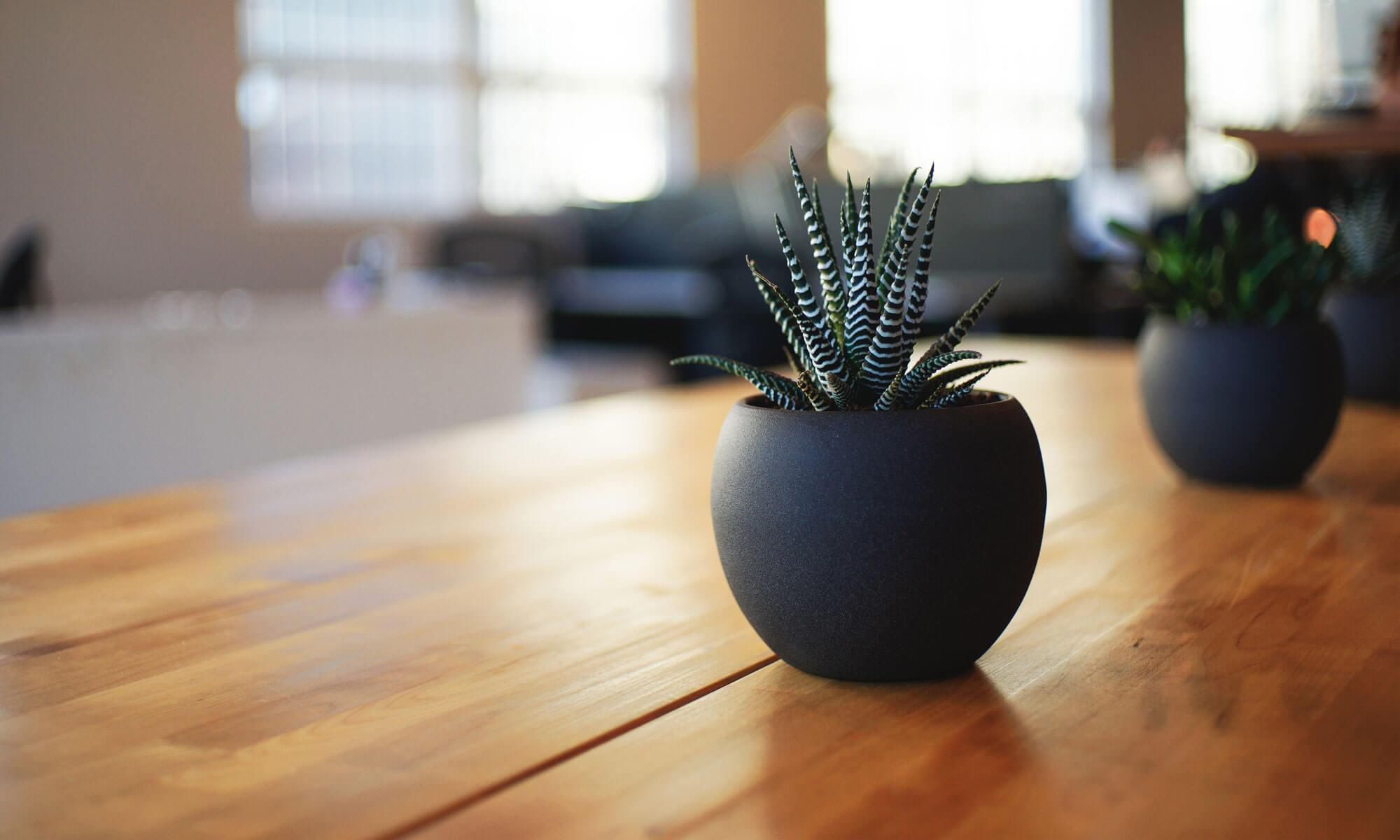
- Distinctive textures from wrenandmoss.co.uk elevate contemporary interior design schemes
- Adding Depth with Textured Wall Coverings
- The Rise of Tactile Paints
- The Power of Natural Fibers in Textiles
- Exploring Different Weaves and Knits
- Introducing Texture Through Furniture and Accessories
- Layering with Sculptural Lighting
- The Influence of Japandi Style on Texture
- Expanding the Sensory Experience with Unusual Materials
Distinctive textures from wrenandmoss.co.uk elevate contemporary interior design schemes
The realm of interior design is constantly evolving, with homeowners and professionals alike seeking distinctive elements to elevate their spaces. Among the purveyors of these textural and visually compelling pieces, wrenandmoss.co.uk has emerged as a notable source for those looking to imbue contemporary designs with character and sophistication. Their curated collection focuses on materials and finishes that transcend the ordinary, providing a foundation for truly unique and inviting interiors.
The appeal of well-chosen textures lies in their ability to add depth, warmth, and a tactile experience to a room. It’s no longer enough for a space simply to look good; it must feel good, too. This is where companies like wrenandmoss.co.uk excel, offering a carefully selected range of products designed to engage the senses and transform a house into a home. From subtle nuances to bold statements, their offerings cater to a variety of aesthetic preferences and project scales.
Adding Depth with Textured Wall Coverings
One of the most impactful ways to introduce texture into a space is through wall coverings. Beyond traditional paint and wallpaper, a wealth of options exists, each offering a unique aesthetic and performance characteristic. Woven grasscloth, for instance, brings a natural, organic feel to a room, its subtle variations adding visual interest without overwhelming the space. Similarly, textured vinyls can mimic the look of natural materials like linen or wood, offering durability and ease of maintenance. The selection available allows homeowners and designers to create focal points or establish a cohesive, textural theme throughout a home. The right wall covering can fundamentally affect the ambiance, making a room feel more cozy, more expansive, or more sophisticated. Consider the interplay of light and shadow on these surfaces – a key element in maximizing their visual impact.
The Rise of Tactile Paints
Beyond traditional wall coverings, there’s a growing trend towards textured paints that offer a similar tactile experience. These paints contain additives that create a three-dimensional effect on the surface, resulting in a subtle yet noticeable textural finish. These aren’t the heavily textured paints of the past; modern formulations offer more refined and sophisticated patterns. They are particularly well-suited for accent walls or smaller spaces, adding depth and interest without making the room feel claustrophobic. The application of textured paint requires some skill and precision, but the result can be a truly stunning and unique finish. Choosing the right sheen and color is also vital – matte finishes tend to emphasize the texture, while glossier finishes can create a more reflective surface.
| Material | Texture Level | Durability | Cost (approx.) |
|---|---|---|---|
| Woven Grasscloth | High | Moderate | £40-£80/roll |
| Textured Vinyl | Medium | High | £25-£60/roll |
| Textured Paint | Low-Medium | Moderate | £30-£50/5L |
| Limewash | Medium | Moderate | £50-£100/5L |
The table above provides a general overview of some common textured wall covering options, allowing for a quick comparison of their properties. It's important to consider the specific needs of the project when selecting a material, taking into account factors such as budget, maintenance requirements, and desired aesthetic.
The Power of Natural Fibers in Textiles
Textiles play a crucial role in adding texture to any interior scheme. From rugs and curtains to upholstery and cushions, the choice of fabrics can dramatically impact the overall feel of a space. Natural fibers, such as linen, cotton, wool, and silk, offer a wealth of textural possibilities, each with its own unique characteristics. Linen, for example, has a relaxed, slightly rumpled appearance that adds a casual elegance to a room. Wool, on the other hand, offers a luxurious, soft texture and excellent insulation properties. The key is to layer different textures and materials to create visual interest and depth. Mixing smooth silks with rougher weaves, for example, can create a dynamic and inviting atmosphere. The deliberate pairing of textures elevates the design beyond sheer visual appeal, impacting the perceived comfort and sophistication of the space.
Exploring Different Weaves and Knits
Beyond the type of fiber, the weave or knit of a fabric significantly impacts its texture. A tightly woven fabric will have a smoother, more refined texture, while a looser weave will create a more relaxed, organic look. Knitted fabrics, such as chunky cable knits, add a significant amount of visual and tactile interest. Consider incorporating fabrics with interesting patterns or embellishments, such as embroidery or beading, to further enhance the textural dimension. The trend towards sustainable textiles has also led to an increased interest in natural dyes and artisanal weaving techniques, resulting in fabrics with unique and characterful textures. This provides a pathway to more environmentally conscious interior design choices without sacrificing artistic merit or comfort.
- Linen: Durable, breathable, and adds a relaxed elegance.
- Cotton: Versatile, soft, and available in a wide range of textures.
- Wool: Luxurious, warm, and provides excellent insulation.
- Silk: Smooth, lustrous, and adds a touch of sophistication.
- Jute: Natural, durable, and adds a rustic, earthy texture.
This concise list highlights some key natural fiber options available for adding texture through textiles. Choosing the correct fiber depends strongly on the intended function, stylistic leanings, and desired ambiance of each room.
Introducing Texture Through Furniture and Accessories
Texture isn't limited to walls and fabrics; it can also be introduced through furniture and accessories. Pieces crafted from natural materials, such as wood, stone, and metal, inherently possess texture. Consider a rustic wooden coffee table with a visible grain or a stone fireplace surround with a rough-hewn surface. Accessories, such as ceramic vases, woven baskets, and sculptural objects, can also add textural interest. The key is to choose pieces that complement the overall design scheme and contribute to the desired atmosphere. Avoid overdoing it – too much texture can feel cluttered and overwhelming. A curated selection of textural elements, thoughtfully placed, can create a harmonious and inviting space. The selection of furniture should also consider the tactile qualities; is it smooth and cool, or rough and warm?
Layering with Sculptural Lighting
Lighting is often overlooked as a source of texture, but it can play a significant role in enhancing the overall aesthetic of a space. Sculptural light fixtures, crafted from materials like metal, glass, or wood, can add visual interest and texture to a room. Consider a pendant light with a woven shade or a table lamp with a textured ceramic base. The way light interacts with these textures can create dramatic shadows and highlights, further enhancing their visual impact. Different types of lighting can also contribute to the overall textural experience. Warm, ambient lighting will create a cozy and inviting atmosphere, while cooler, more focused lighting can highlight specific textures and details. The strategic use of lighting is a powerful tool for manipulating texture and creating a desired mood.
- Start with a neutral base and add texture through layers.
- Consider the interplay of light and shadow on textured surfaces.
- Mix different textures and materials to create visual interest.
- Avoid overdoing it – a curated selection is key.
- Don't overlook the textural potential of lighting.
These steps offer a simple guide to the purposeful use of texture in interior design – a skill that, when mastered, unlocks a world of creative possibilities.
The Influence of Japandi Style on Texture
The increasing popularity of Japandi style – a fusion of Japanese minimalism and Scandinavian functionality – has placed a strong emphasis on natural textures and materials. This aesthetic favors understated elegance and a connection to nature, often incorporating elements like wood, stone, linen, and paper. The focus is on simplicity and quality, with a preference for materials that age gracefully and develop a unique patina over time. Japandi interiors often feature textured walls, woven rugs, and furniture crafted from natural wood, creating a serene and inviting atmosphere. The careful selection and arrangement of these textural elements are key to achieving the authentic Japandi aesthetic. This seemingly simple design paradigm requires a nuanced understanding of materials and how they interact with one another.
Expanding the Sensory Experience with Unusual Materials
Moving beyond conventional materials, exploring unusual options can dramatically enrich an interior's textural palette. Consider incorporating elements like reclaimed wood with its weathered surfaces, or textured concrete for a modern industrial aesthetic. Dried flowers and grasses introduce organic forms and subtle tactility. Even wallpaper featuring three-dimensional patterns can add a unique layer of depth. The challenge lies in integrating these unconventional materials harmoniously within the broader design scheme. They must complement existing textures and colors, rather than clashing with them. Experimentation is key – don’t be afraid to try new things and push the boundaries of conventional design. This approach to design reflects a conscious move away from mass production and towards unique, handcrafted pieces.
Ultimately, the thoughtful incorporation of textures is a powerful tool for transforming a space from merely functional to truly inviting and aesthetically rich. Understanding the nuances of different materials and how they interact with light and space requires a keen eye and a willingness to experiment. Companies like wrenandmoss.co.uk offer a curated selection of products that can help homeowners and designers achieve this goal, providing a foundation for creating interiors that are not only beautiful but also deeply engaging and comfortable. The key is to view texture not as an afterthought, but as a fundamental element of the design process, one that can elevate a space and create a lasting impression. The interplay of varied textures and the way it affects the spatial experience can truly dictate the emotional resonance of a room.