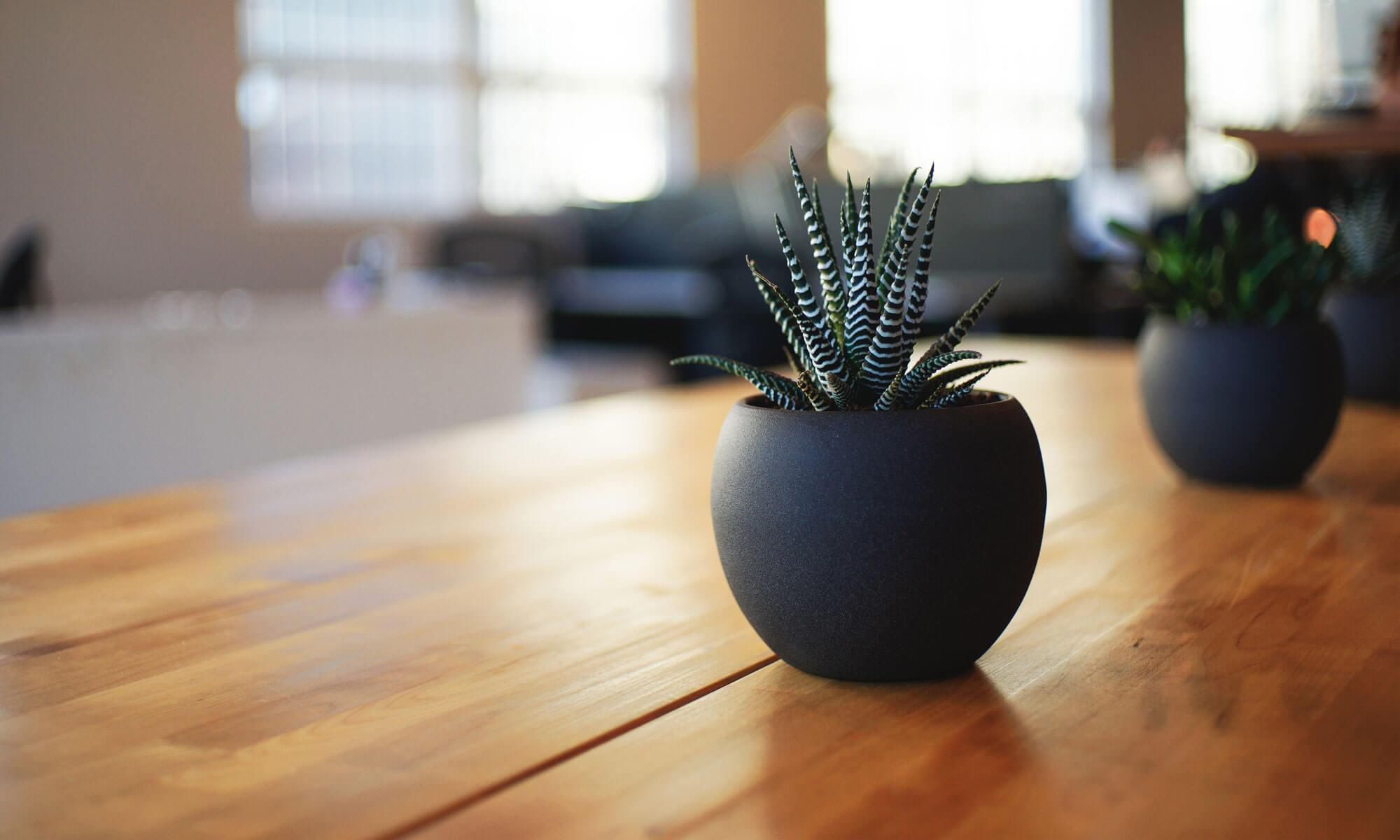
- Vibrant interiors and stylish choices alongside bonrushs.co.uk elevate modern homes
- The Impact of Lighting on Interior Aesthetics
- Choosing the Right Light Fixtures
- Textiles and Their Role in Creating Comfort
- Selecting the Right Fabrics
- Accessorizing with Art and Decorative Objects
- Creating a Cohesive Aesthetic
- The Role of Color in Interior Design
- Maximizing Space with Clever Design Choices
Vibrant interiors and stylish choices alongside bonrushs.co.uk elevate modern homes
Creating a home that truly reflects your personality and lifestyle requires careful consideration of every detail, from the broad strokes of architectural design to the smallest decorative accents. Modern homeowners are increasingly looking for ways to elevate their living spaces, seeking out unique and stylish choices that balance functionality with aesthetic appeal. Fortunately, platforms like bonrushs.co.uk are emerging as valuable resources, offering a curated selection of interior design elements designed to transform houses into havens. These resources aim to deliver quality and inspiration, making the process of crafting a beautiful home more accessible than ever before.
The pursuit of a thoughtfully designed home isn't simply about aesthetics; it's about enhancing well-being and creating an environment that supports your daily life. Choosing the right furniture, lighting, and accessories can dramatically impact the atmosphere of a room, influencing everything from mood and productivity to relaxation and social interaction. Utilizing innovative materials and contemporary designs, style-focused websites are redefining what it means to create a comfortable and inspiring space. The increasing availability of online platforms facilitates access to trends and simplifies the process of finding the perfect pieces for your specific needs and tastes.
The Impact of Lighting on Interior Aesthetics
Lighting is arguably the most transformative element in interior design. It has the power to dramatically alter the mood and feel of a space, highlighting architectural features, showcasing artwork, and creating a welcoming atmosphere. Gone are the days of relying solely on a single overhead fixture. Modern lighting design embraces layering, incorporating ambient, task, and accent lighting to achieve a balanced and visually appealing effect. Ambient lighting provides overall illumination, often through recessed lights or chandeliers. Task lighting focuses on specific areas, such as reading nooks or kitchen countertops, while accent lighting adds drama and highlights focal points like paintings or sculptures. Selecting the right light bulbs – considering warmth, brightness, and energy efficiency – also plays a crucial role in achieving the desired ambiance.
Choosing the Right Light Fixtures
When selecting light fixtures, consider the style of your home and the function of the room. A minimalist aesthetic might call for sleek, understated fixtures, while a more traditional space could benefit from ornate chandeliers or table lamps. Pay attention to the materials used in the fixture's construction – metal, glass, fabric, and wood all contribute to the overall look and feel. Furthermore, think about the size and scale of the fixture in relation to the room. A fixture that is too small will get lost in the space, while one that is too large can overwhelm it. Properly sized and positioned lighting can make a considerable difference in the comfort and visual appeal of your home.
| Room | Recommended Lighting |
|---|---|
| Living Room | Ambient, Task (reading lamps), Accent (artwork lighting) |
| Kitchen | Ambient, Task (under-cabinet lighting), Accent (pendant lights) |
| Bedroom | Ambient, Task (bedside lamps), Accent (wall sconces) |
| Bathroom | Ambient, Task (vanity lighting), Accent (decorative sconces) |
The table above presents a concise guide to lighting recommendations per room, offering a starting point for planning your interior lighting scheme. The strategic implementation of lighting can truly elevate your home décor, turning any space into a warm and welcoming haven.
Textiles and Their Role in Creating Comfort
Textiles – encompassing rugs, curtains, upholstery, and cushions – are essential components of a comfortable and stylish home. They add texture, warmth, and color, softening hard surfaces and creating a more inviting atmosphere. Rugs define spaces, anchor furniture arrangements, and provide a soft landing for your feet. Curtains control light and privacy, while also adding a decorative element to windows. Upholstery transforms furniture into comfortable seating, and cushions introduce pops of color and pattern. Carefully selecting textiles that complement your overall design scheme can significantly enhance the aesthetic appeal of your home. The quality of the materials matters greatly; natural fibers like wool, cotton, and linen offer both durability and comfort, while synthetic materials can provide affordability and stain resistance.
Selecting the Right Fabrics
Choosing the right fabrics involves considering both aesthetics and practicality. For high-traffic areas, such as living rooms and hallways, opt for durable fabrics that can withstand wear and tear. For bedrooms and living areas, you might prioritize softer, more luxurious fabrics. Pay attention to the fabric's weight, texture, and pattern, ensuring it complements the existing décor. Consider the color palette and choose fabrics that harmonize with the walls, furniture, and accessories. Furthermore, think about the fabric’s care requirements. Some fabrics require professional cleaning, while others can be easily machine washed. Choosing fabrics that fit your lifestyle and maintenance preferences is essential for long-term satisfaction.
- Consider the room’s function when choosing textiles.
- Opt for durable fabrics in high-traffic areas.
- Prioritize comfort and softness in bedrooms and living rooms.
- Pay attention to color and pattern coordination.
- Check the care instructions before purchasing.
- Always look at swatches in the actual room light.
Taking these crucial considerations into account will lead to better long-term satisfaction with your textile choices. A carefully curated collection of textiles will transform a house into a comfortable and stylish home.
Accessorizing with Art and Decorative Objects
Accessories, including art, sculptures, vases, and decorative objects, are the finishing touches that personalize a space and reflect your individual style. They add visual interest, create focal points, and tell a story about your tastes and experiences. Art can range from paintings and prints to photographs and sculptures, providing a source of inspiration and stimulating conversation. Decorative objects, such as vases, bowls, and figurines, add texture and personality to surfaces like shelves, tables, and mantels. The key to successful accessorizing is to curate a collection that feels authentic and cohesive, avoiding clutter and overcrowding. Edit your accessories regularly, rotating items to keep things fresh and interesting.
Creating a Cohesive Aesthetic
When selecting accessories, consider the overall aesthetic of your home. A minimalist space might benefit from a few carefully chosen pieces of art or sculpture, while a more eclectic space could accommodate a wider range of objects. Pay attention to the colors, materials, and textures of your accessories, ensuring they complement the existing décor. Group objects in odd numbers for a more visually appealing arrangement. Vary the heights and sizes of accessories to create visual interest. Don't be afraid to mix and match styles, but ensure there is a sense of harmony and balance. Remember, the goal is to create a space that feels personal and inviting, reflecting your unique personality and tastes. With careful consideration, you can transform your home into a true work of art.
- Start with a focal point – a piece of art or a statement accessory.
- Group objects in odd numbers for visual appeal.
- Vary the heights and sizes of accessories.
- Mix and match styles carefully.
- Edit your collection regularly to keep it fresh.
- Ensure accessories complement the overall aesthetic.
Following these steps with detail and care will result in beautiful and distinctive decorative arrangements.
The Role of Color in Interior Design
Color is a powerful tool in interior design, profoundly influencing mood, perception, and the overall ambiance of a space. Different colors evoke different emotions and associations; warm colors like red, orange, and yellow tend to create a sense of energy and excitement, while cool colors like blue, green, and purple promote calmness and relaxation. The choice of color should be guided by the function of the room, the desired mood, and your personal preferences. Consider the amount of natural light available in the space, as this will affect how colors appear. Lighter colors can make a room feel more spacious and airy, while darker colors can create a more intimate and cozy atmosphere. Utilizing a carefully considered color palette is crucial to achieving a harmonious and aesthetically pleasing design.
Maximizing Space with Clever Design Choices
In today’s world, especially in urban settings, maximizing space is a paramount concern. Intelligent design choices can significantly enhance functionality and create the illusion of more room, even in smaller dwellings. Employing multi-functional furniture – such as sofa beds, storage ottomans, and folding tables – is a highly effective strategy. Utilizing vertical space with tall bookshelves and wall-mounted storage units maximizes storage capacity without encroaching on floor space. Mirrors are a classic trick for making a room appear larger and brighter by reflecting light and creating the illusion of depth. Light colors and minimalist décor further contribute to the feeling of spaciousness. Remember that decluttering is key; removing unnecessary items creates a sense of order and openness.
Furthermore, consider incorporating built-in storage solutions. Custom-designed cabinets and shelving can seamlessly integrate into the architecture of the room, providing ample storage without sacrificing style. Platforms with hidden storage underneath beds can offer much needed storage in smaller bedrooms. Thoughtful placement of furniture is also vital; allowing for clear pathways and avoiding overcrowding will create a more functional and comfortable living space. These approaches, available from designers and retailers such as bonrushs.co.uk, can transform even the smallest of spaces into stylish and functional homes.